An ecological masterplan for a tropical island context, focusing on self-sufficiency, renewable energy, and the protection of endemic biodiversity.
The 50/50 ratio between green and urban areas also provides a sink for CO2 emissions and counteracts the heat island effect of large built-up areas besides enabling the provision of ecosystem services. A continuous experience of living within an urban forest is promoted where the public is always within a seven minute walking distance towards greenery and local amenities. Progressive planting of native species seek to restore and repair the existing depleted ecosystem of selected flora and fauna.
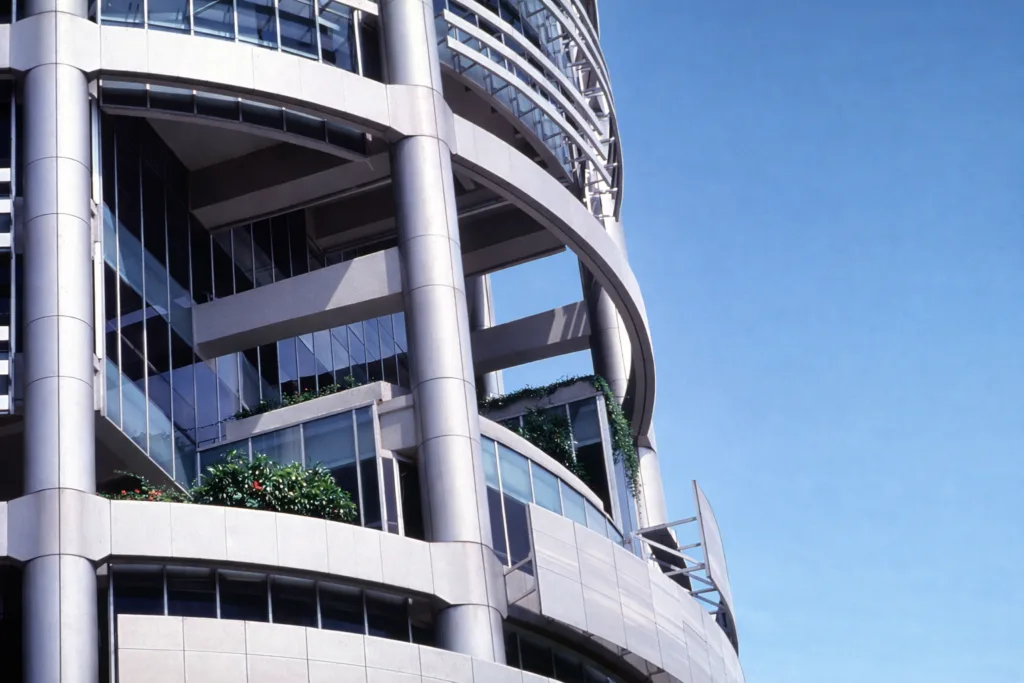
Development is directed towards the coast, discouraging any sprawl towards the hill slopes. The east-west facing planning pattern bio-climatically brings the cooling winds from the sea into the development, reducing the ambient temperature. High level gardens are designed in the form of large balconies and roof gardens for the private residences, where dwellers can enjoy the high-level sea breezes and magnificent views. The buildings are then harnessed for cross ventilation, with solar protection of window facades to reduce solar gain.